
E1 · tomorrow
Brian holds his own complete copy of his record before the plan is ceased.
- Brian's complete record, in his hands, in a format he keepsNow
Tool · ehc:cyp-001:record-handed-over
7 of 9 evidenced

Every stage, the clock, and what is delivered
SENCo
You see 8 of 9 sections. A and E are written for you. D is held back.
Brian is an avatar. The plan around him is illustrative; the education he describes in Section A is his own.The plan has run ten years and is proposed for cease. Two sections of his own record still have to reach him, and that happens tomorrow.
Brian, in his own words, recorded at his review on 2026-09-08 and written down as he said it: "My name is Brian. I'm twenty. I didn't take the usual school route. I homeschooled myself, sat the GED instead of the regular Thai exams, got into Payap University, and then into Chiang Mai University. I'm reading economics at CMU — how markets work, how value moves, who gets left out when the system is opaque. What pulled me further in is the layer under the apps: blockchain, and what people call the next generation of the web — the one built so agents can act, settle, and hand work to each other without a person disappearing at every handover. I want to understand that stack the way I understand a balance sheet: incentives, settlement, identity, and who holds the keys. Economics gave me the questions; this is where I think a lot of the answers are moving. What I want on the record is this: the path was mine. I chose how I learned and I chose what I'm studying — economics, and the blockchain web that agents will run on. I still care about clear plans and people who don't disappear at the handover. I want my own plan to talk to adult services, not a file someone closed because I had a birthday." NOT PARAPHRASED. Brian convened this review himself and gave this statement first.
Next: Transition is under way. No statutory deadline is open.
These can happen now. A person arranges each one; nothing is ordered automatically.
Brian holds his own complete copy of his record before the plan is ceased.
Tool · ehc:cyp-001:record-handed-over
7 of 9 evidenced
Overdue
19 days past the deadline
The review agreed the cease on 2026-09-08 and the decision letter was drafted on 2026-09-12, but it has not been sent, and the draft was addressed to his father rather than to Brian. He is twenty; the right to appeal is his.
Immediate 2 of 3 done
Statutory 5 of 6 done
Each stage is a step in Brian's journey workflow. The dated deadlines are its clock steps, counted from the day of the request.
Trigger · tasks:announce
Someone asked the council to look at what Brian needs. Every date after this one is counted from that day. This is day one.
Human · approve → ehc-local-authority
The council has to say yes or no to doing an assessment, and it has to tell you either way. If it says no, it must say why, and it must tell you how to appeal. Within 6 weeks of the request.
Delay · waits 42d
Met — the case moved past Decision.
If nobody has told you by then, the deadline has been missed. You do not have to wait to be told that it has. (SEND Regulations 2014, reg. 5(1))
Agent · ehc-local-authority
People who know Brian — teachers, doctors, therapists — are asked what they think. Each of them has 6 weeks to answer. If the council decides NOT to write a plan, it has to tell you by now. If it has decided to write one, this date does not make it tell you; the plan itself comes later. Within 16 weeks of the request.
Delay · waits 70d
Met — the case moved past Assessment.
If the council decides not to write a plan and tells you late, or does not tell you at all, that is a missed deadline. You can appeal the decision itself. (SEND Regulations 2014, reg. 10(1) · advice: reg. 8(1))
Agent · ehc-local-authority
You get a draft of the plan to read. You have 15 days to say what you think and to name the school you want. They are ordinary days, not school days, and they start the day the draft reaches you. There is no separate deadline for the draft. It has to happen early enough that the finished plan is still on time.
Delay · waits 28d
Met — the case moved past Final Plan.
If there is no finished plan by then, the deadline has been broken. Nobody has to admit it. You can complain, and once there is a plan you can appeal what is in it. (SEND Regulations 2014, reg. 13(2))
Human · approve → ehc-local-authority
The finished plan is given to you. From then on, the help written into it is something the council has to actually provide — not something it might do. Within 20 weeks of the request. That is the whole process, start to finish.
Agent · ehc-keyworker
The help in the plan actually happens. Every week, not once. All the time, from the day the plan is finished.
Human · approve → ehc-chairman
The plan gets looked at again. Brian and the people at home are part of that meeting — it is not something decided about them without them. At least once a year.
Human · approve → ehc-local-authority
Moving up. Nursery to school, primary to secondary, school to college, and then into being a grown-up. When Brian moves to a new kind of school, the plan has to be updated and the new school named by 15 February that year — so nobody arrives in September without a place. From Year 9 onwards, every yearly meeting also has to talk about adult life: a job, where Brian will live, friends, and staying well. By 15 February in the year of the move.
The same eight stages, one at a time, with the artefacts filed against each. A stage nobody has filed against shows none — that is a reading of the record, not a gap in the page.
Someone asked the council to look at what Brian needs. Every date after this one is counted from that day.



The council has to say yes or no to doing an assessment, and it has to tell you either way. If it says no, it must say why, and it must tell you how to appeal.
People who know Brian — teachers, doctors, therapists — are asked what they think. Each of them has 6 weeks to answer. If the council decides NOT to write a plan, it has to tell you by now. If it has decided to write one, this date does not make it tell you; the plan itself comes later.


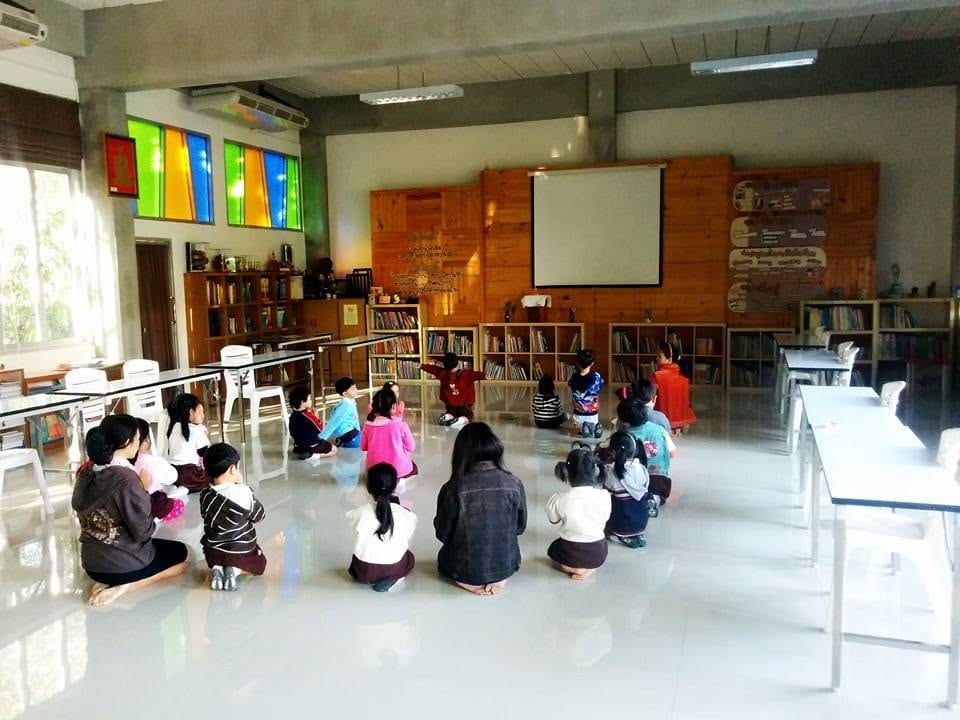
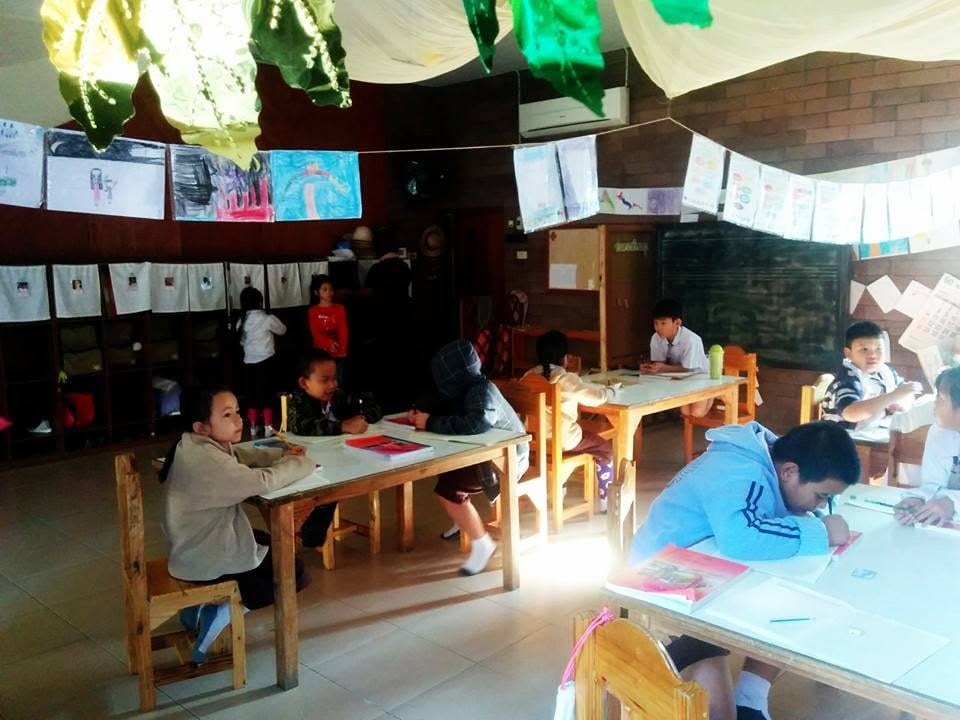
You get a draft of the plan to read. You have 15 days to say what you think and to name the school you want. They are ordinary days, not school days, and they start the day the draft reaches you.
The finished plan is given to you. From then on, the help written into it is something the council has to actually provide — not something it might do.
The help in the plan actually happens. Every week, not once.
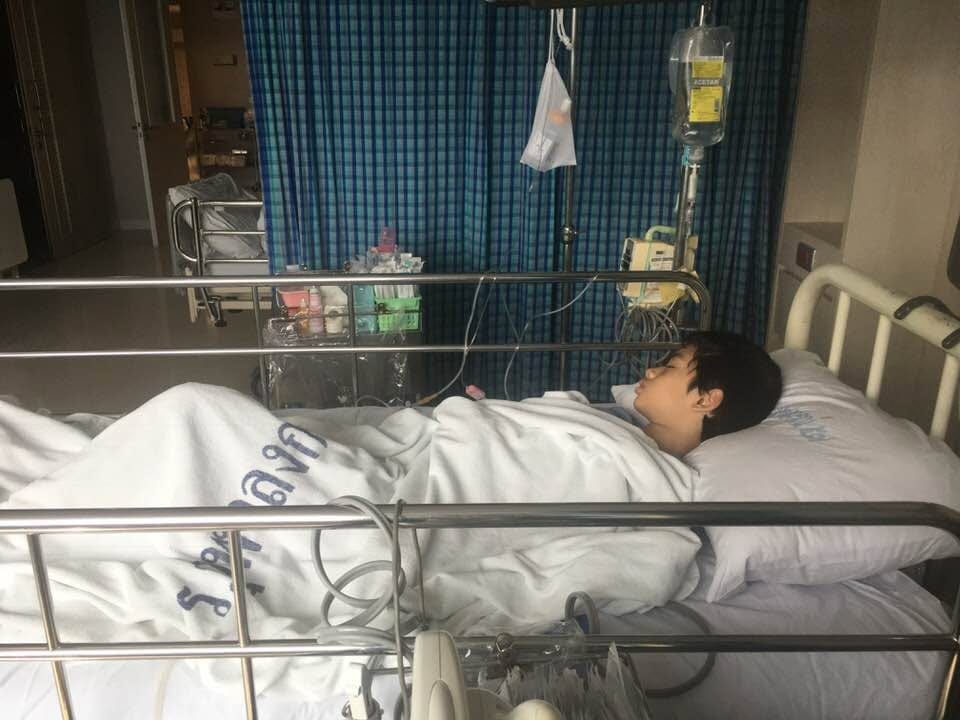

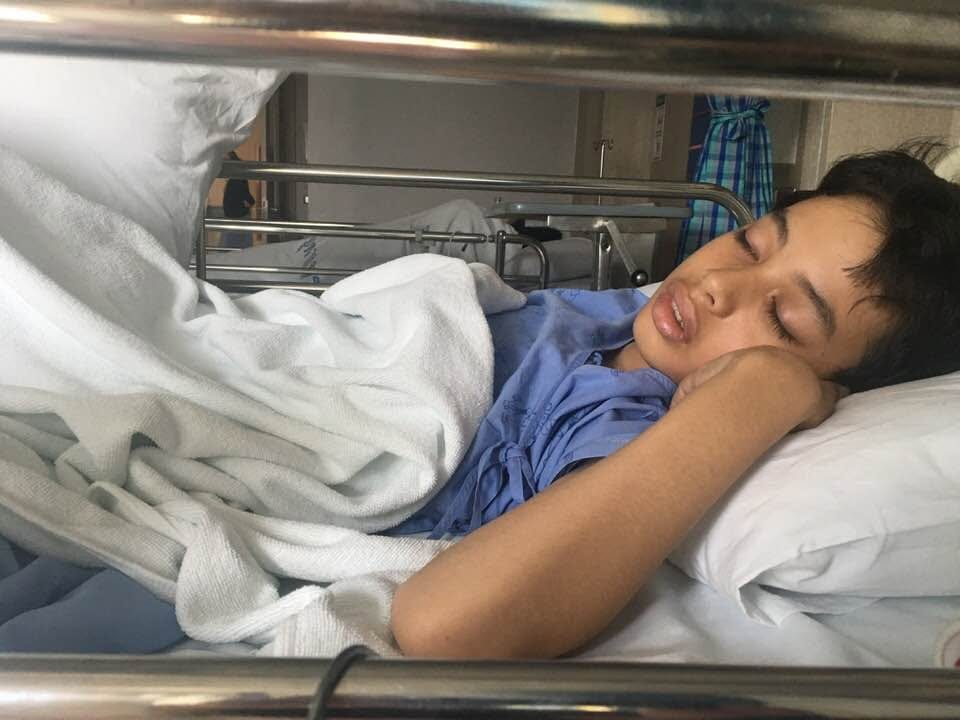
The plan gets looked at again. Brian and the people at home are part of that meeting — it is not something decided about them without them.
Moving up. Nursery to school, primary to secondary, school to college, and then into being a grown-up. When Brian moves to a new kind of school, the plan has to be updated and the new school named by 15 February that year — so nobody arrives in September without a place. From Year 9 onwards, every yearly meeting also has to talk about adult life: a job, where Brian will live, friends, and staying well.
Education, Health and Care are each a workflow inside the plan. A step is done when delivery is evidenced, not when it is written down.
Trigger · tasks:announce
Human · approve → Transition adviser (Sam)
6 of 6 evidenced
E2 Brian names his own load and takes a break, instead of shutting down.
E3 Brian is in higher education on a course he chose, and progressing.
Trigger · tasks:announce
Human · approve → Adult orthopaedic team
E4 Brian lives independently and manages his own health and money.
Trigger · tasks:announce
Tool · ehc:cyp-001:record-handed-over
7 of 9 evidenced
E1 Brian holds his own complete copy of his record before the plan is ceased.
E4 Brian lives independently and manages his own health and money.
Each outcome shows where it started and where it has to get to. Nothing has been read since the baseline, so the distance between the two is drawn open rather than filled in.
Brian holds his own complete copy of his record before the plan is ceased.
Starts now7 of 9
At the review on 2026-09-08 he held 7 of the 9 sections; G and H had never been sent to him.
9 of 9
All 9 sections in his hands, in a format he can keep, before the cease date.
Last recorded at 7 of 9. That distance was observed. The dashed span from there to the target has not been read, and is not progress that has already happened.
At the review on 2026-09-08 he held 7 of the 9 sections; G and H had never been sent to him.
Brian names his own load and takes a break, instead of shutting down.
Statutory laneAt ten, 4 shutdowns in the last 2 weeks, all after handovers.
He manages it himself; no shutdown recorded across this academic year.
The two statements above are not placed on a scale, on purpose. They carry no pair of numbers counted the same way over the same period, so one axis could only be drawn by inventing a rate. The words are the measure here, and they are the whole of it.
Brian is in higher education on a course he chose, and progressing.
Statutory lane0 credits
0 credits at enrolment.
120 credits
120 credits — the two years that carry him into year 3.
Last recorded at 120 credits. That distance was observed. The dashed span from there to the target has not been read, and is not progress that has already happened.
0 credits at enrolment; 120 credits completed across years 1 and 2.
Brian lives independently and manages his own health and money.
Statutory laneAt sixteen, no independent travel, no budget of his own, appointments booked by an adult.
Own tenancy, own budget, own appointments, all without support.
The two statements above are not placed on a scale, on purpose. They carry no pair of numbers counted the same way over the same period, so one axis could only be drawn by inventing a rate. The words are the measure here, and they are the whole of it.
Each square is one delivery the plan says Brian is owed. A square fills when a named adult records that it happened — not when it is written down, and not when somebody means to.
13 of 15 deliveries evidenced across 3 tracked provisions
7 of 9 recorded. The window is open until 2026-10-06.
All 6 recorded.
Nobody wrote how much of this is owed. With no count there is nothing to deliver against, nothing to evidence, and nothing an annual review can read — this is not zero provision, it is an uncounted duty.