
Brian
The young person — this is his plan
Works with Brian's voice
Messages to Brian aren't delivered yet — Brian's voice answers for now.
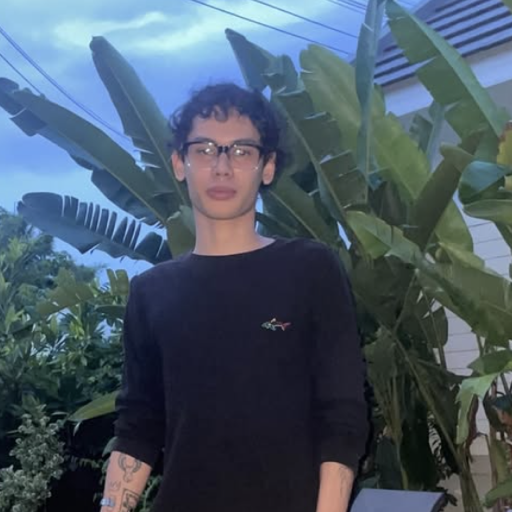
Brian O'Connell
The whole plan, every section
Health — therapy
You see all 9 sections, word for word from the record.
Transition · past the 20 weeks · plan in force 9 years · last section edited 2026-09-16
AVATAR CASE — Brian is not a real child's record.
Brian, in his own words, recorded at his review on 2026-09-08 and written down as he said it: "My name is Brian. I'm twenty. I didn't take the usual school route. I homeschooled myself, sat the GED instead of the regular Thai exams, got into Payap University, and then into Chiang Mai University. I'm reading economics at CMU — how markets work, how value moves, who gets left out when the system is opaque. What pulled me further in is the layer under the apps: blockchain, and what people call the next generation of the web — the one built so agents can act, settle, and hand work to each other without a person disappearing at every handover. I want to understand that stack the way I understand a balance sheet: incentives, settlement, identity, and who holds the keys. Economics gave me the questions; this is where I think a lot of the answers are moving. What I want on the record is this: the path was mine. I chose how I learned and I chose what I'm studying — economics, and the blockchain web that agents will run on. I still care about clear plans and people who don't disappear at the handover. I want my own plan to talk to adult services, not a file someone closed because I had a birthday." NOT PARAPHRASED. Brian convened this review himself and gave this statement first.

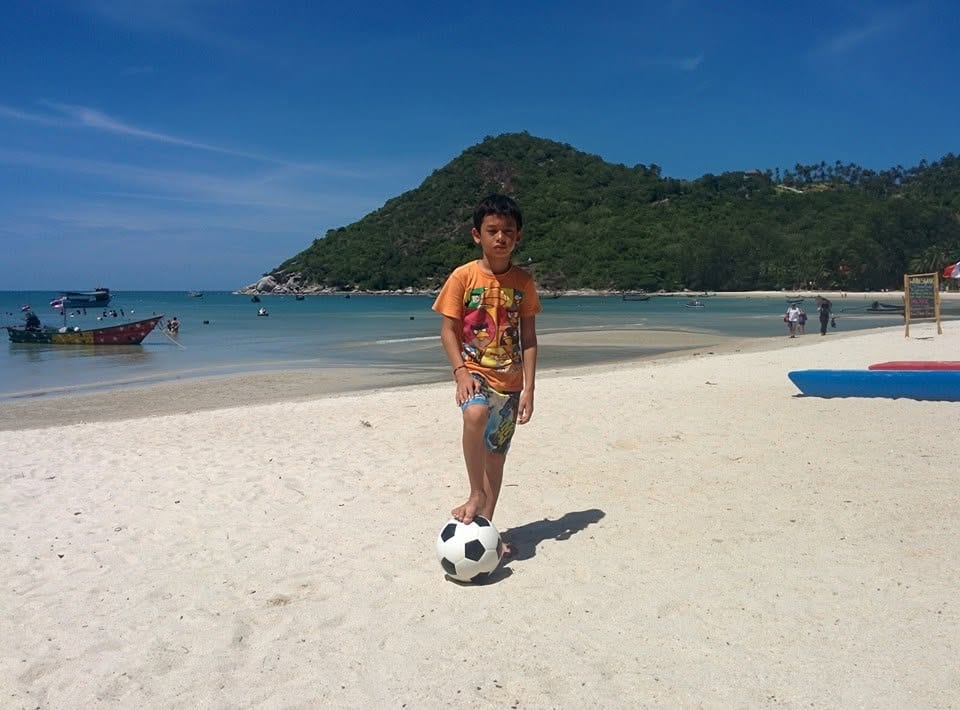
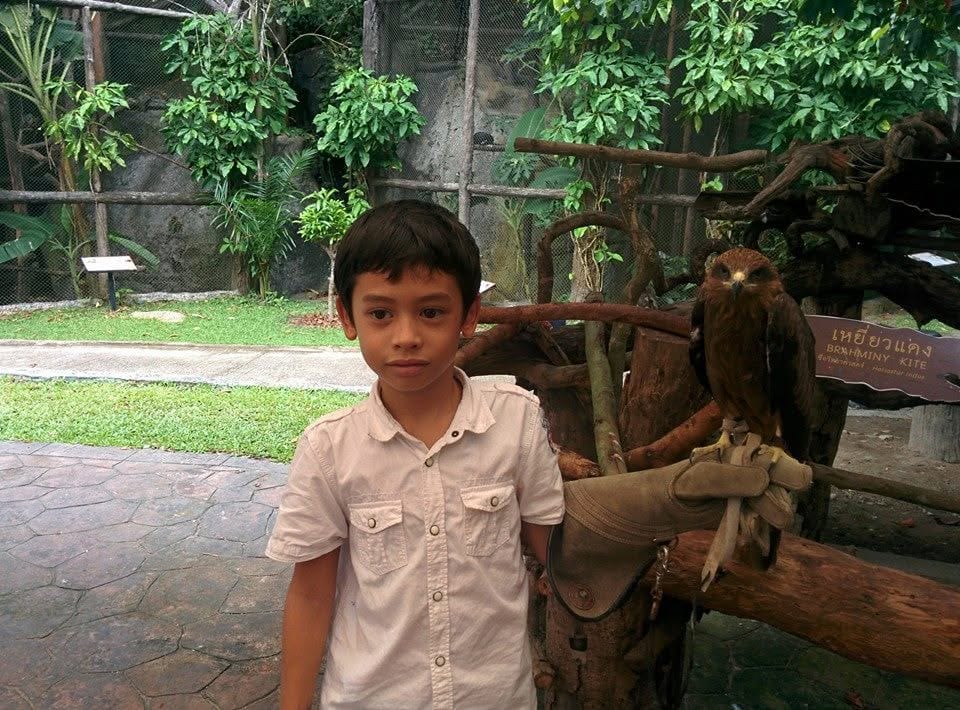
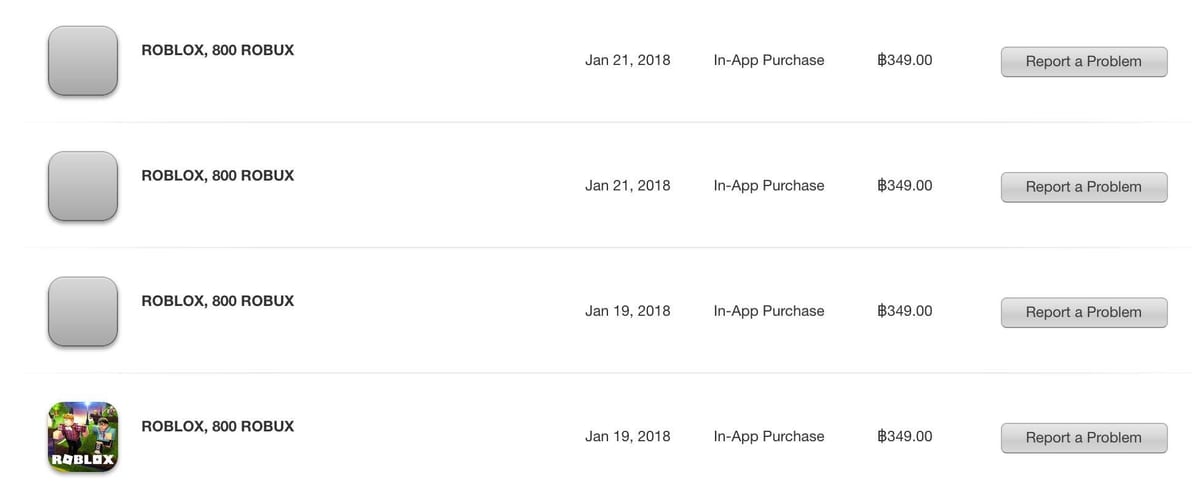
8 evidence references · showing 4 of the 6 this case carries · the locker
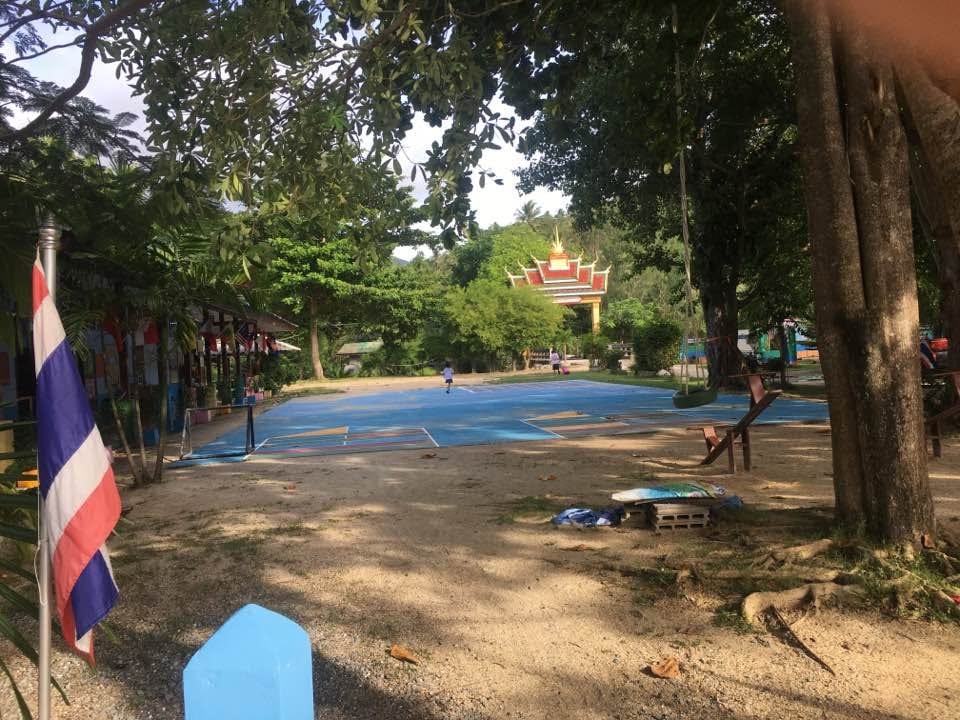
WHAT THE NEED WAS, AT TEN: social, emotional and mental health needs affecting attendance and access to learning. He shut down in lessons after a handover. Work produced fell by about half across one summer term. Attendance 88%, down from 97%, with absences on changeover Mondays and Fridays. AND WHAT HE DID IN THE SAME YEARS, WHICH IS WHY THE NEED WAS NEVER A CEILING: in the academic year of his operation he sat the Thai national O-NET examination at the end of primary school and scored 100 out of 100 in English. Full marks. Nobody in the country scored higher. The certificate is in the evidence locker. A plan that recorded only the half-term of lost work would have described a different child. WHERE HE WAS TAUGHT, AND IT IS NOT ONE PLACE: the village school at Thong Nai Pan; Baan Khun Mae in Chiang Mai, which he attended with both his sisters — an open library read in a circle on the floor, an art room hung with the children's own paintings, and a whole class in the rice paddy planting; and Sarasas Witaed Lanna in Chiang Mai, where he sat the O-NET. The order in which he passed through them is not recorded here, because nothing on file establishes it. Then he taught himself. WHAT REMAINS, AT TWENTY: executive load on multi-step planning, and reduced stamina on long days, which he now manages himself with a study rhythm he set. He self-directed his own secondary education, sat the GED, and has completed two years of higher education. The council's view at this review is that he no longer requires special educational provision to be MAINTAINED BY A PLAN. That is not the same as no need, and the distinction is the whole of the cease decision.

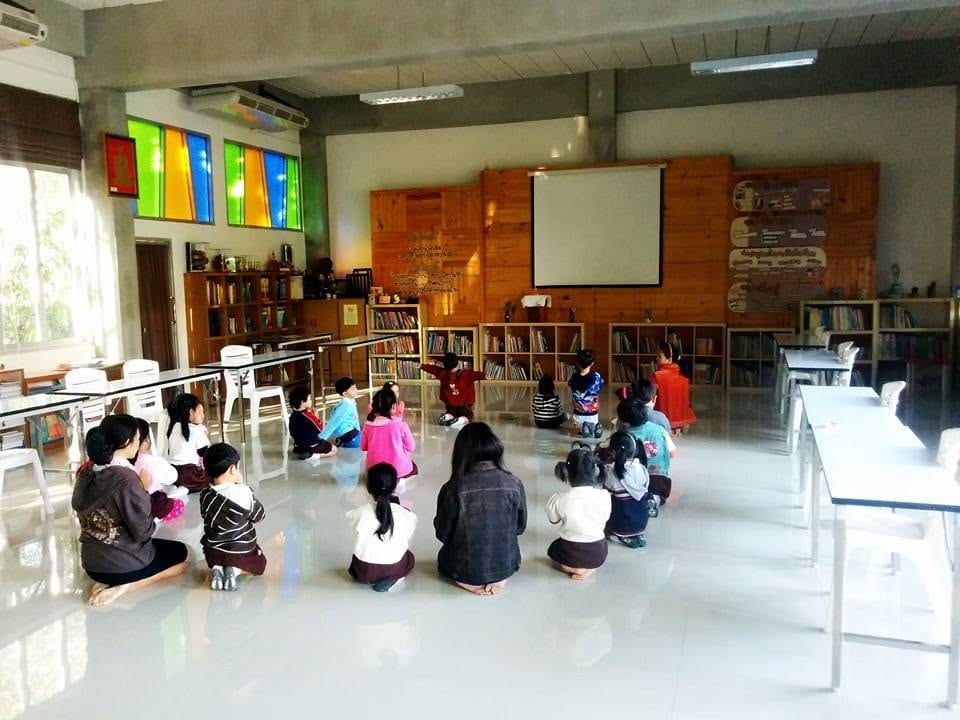
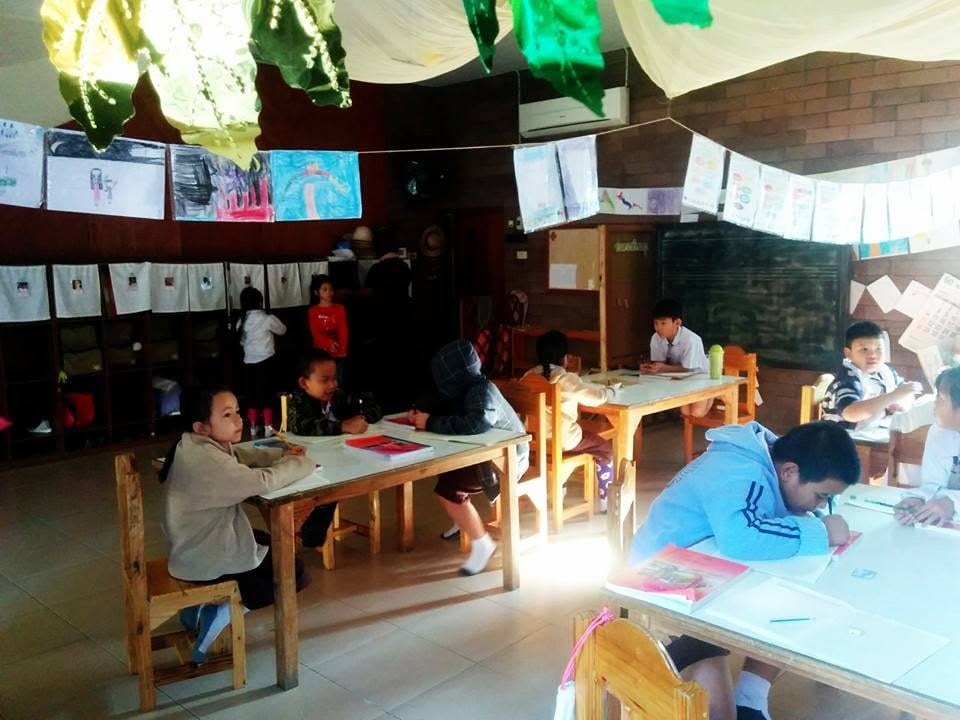
11 evidence references · showing 4 of the 9 this case carries · the locker
DELIVERED, AND ENDING. ELSA 1:1 ran 30 minutes weekly for 12 weeks from 2016 and was repeated twice. A daily check-in on arrival ran for two academic years. A calm space he could use at his own choice, up to 15 minutes per use, ran until he left school-based education. From 2021 the provision was study support he directed himself: a written plan for multi-step work and a recovery window in a long day. No special educational provision is proposed beyond the cease date. The university's own disability service is open to him on request, and that is not plan provision.
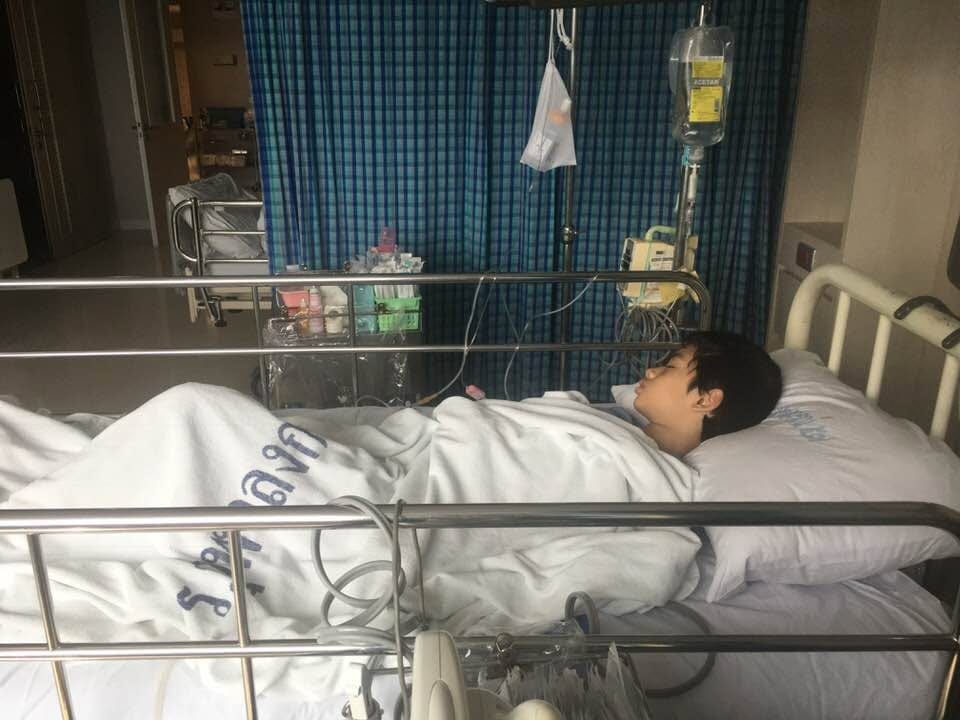
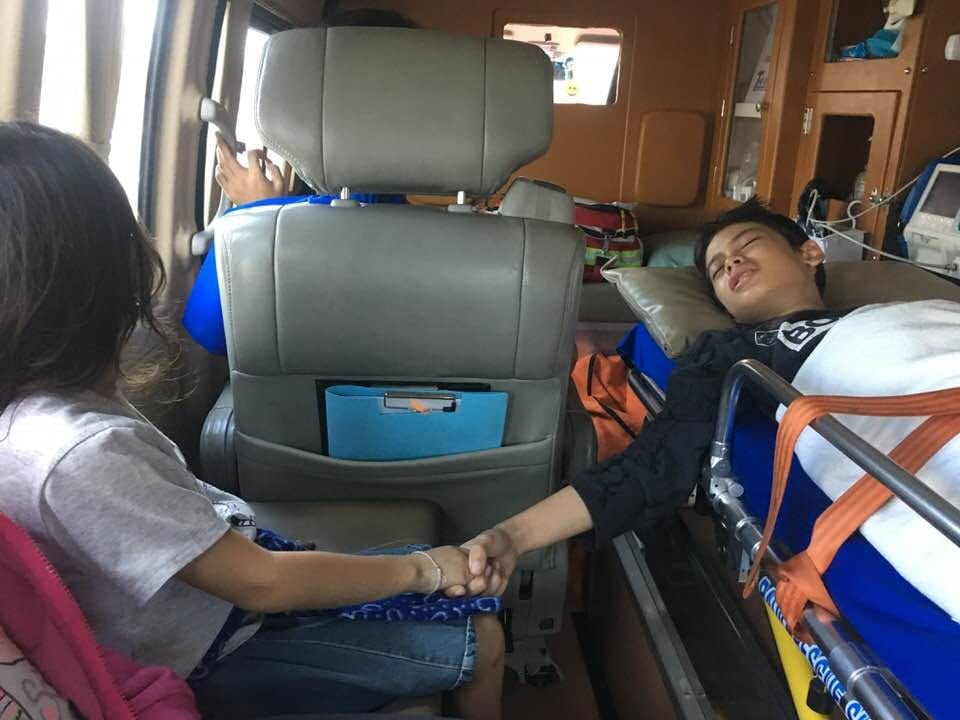
DELIVERED, AND HANDED OVER. Physiotherapy ran as set by the hospital team, with a school-based exercise plan the class teacher followed and adapted PE until he was cleared. School nurse checks ran 6-weekly on recovery, pain and wellbeing. Eight sessions with the mental health support team ran at 45 minutes weekly in 2017. All of it has ended by completion, not by lapse. What continues is adult orthopaedic surveillance, which sits with adult services and not with this plan. The inpatient episode is evidenced by photographs his father kept: the ward, the traction frame, and a nurse at the bedside. They are not clinical records and are not offered as any; they are what a family has when a hospital has the rest.
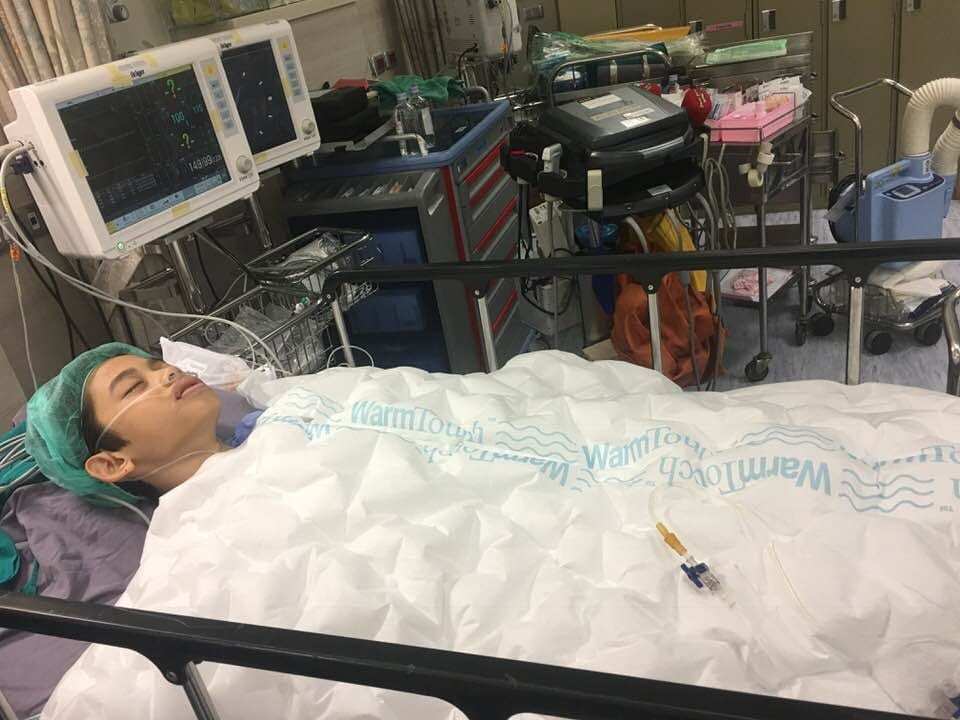
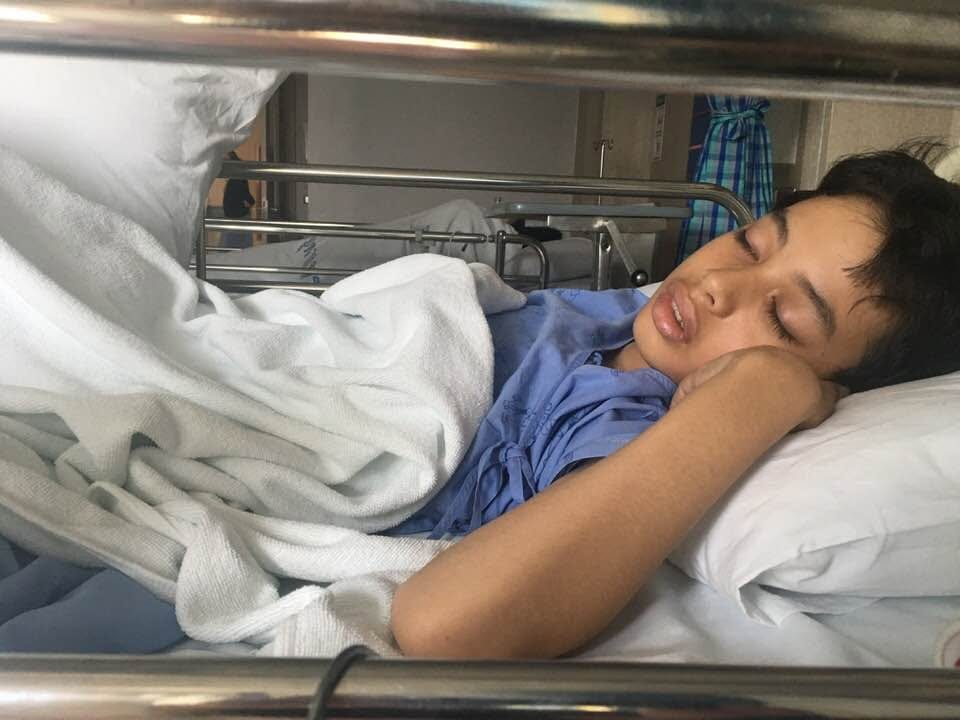
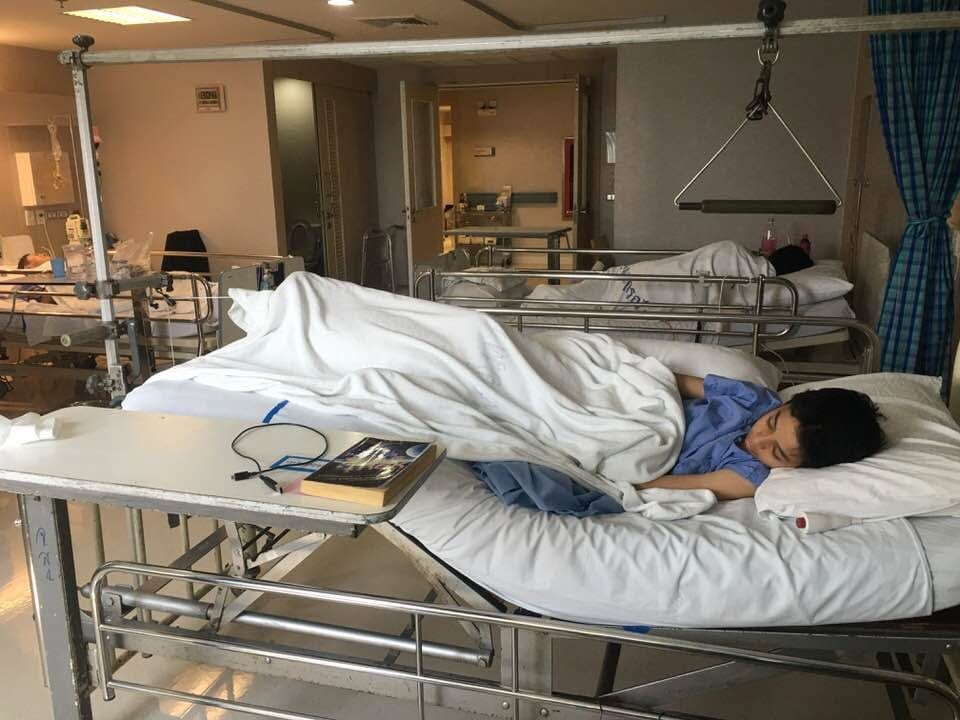
5 evidence references · showing 4 of the 5 this case carries · the locker
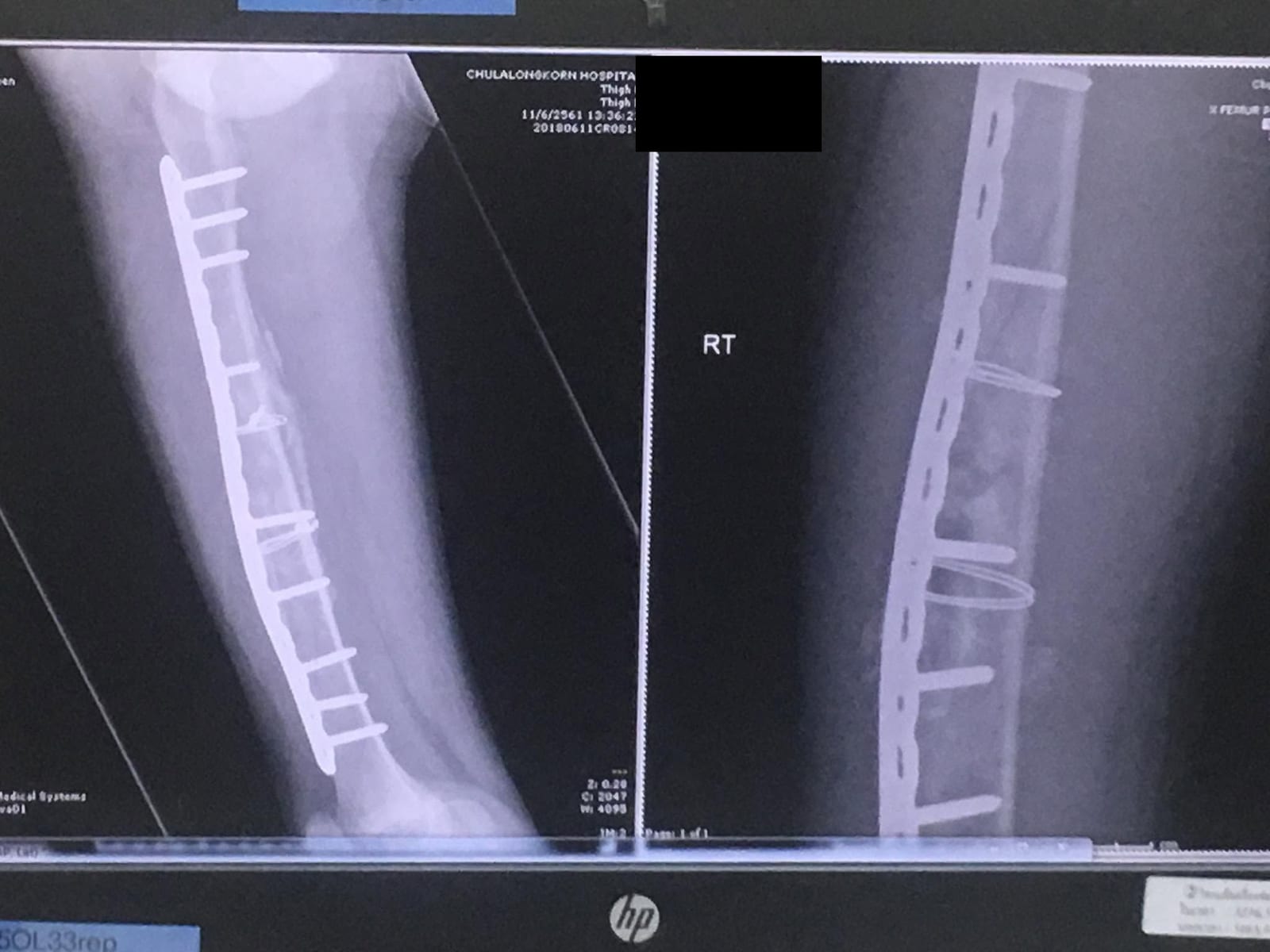
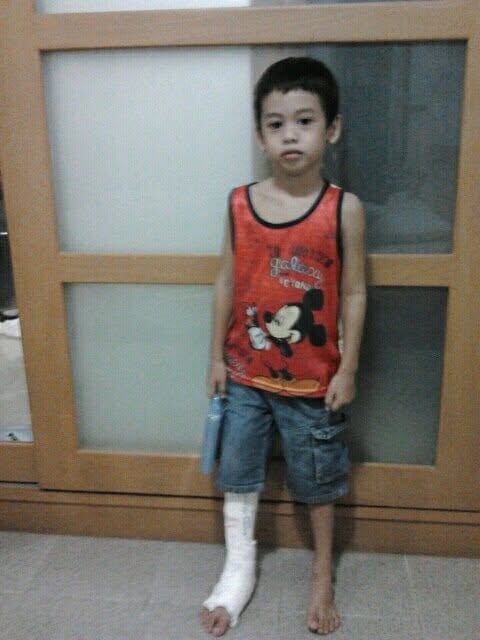
TWO EPISODES, YEARS APART, AND THE SECOND IS A CONSEQUENCE OF THE FIRST — not a recurrence. The tumour was found when Brian was small. It was BENIGN, and it was removed; the cast in the evidence locker is from that operation. The bone it had grown in was left weakened, and years later that is what needed fixing. Imaging on 31 January 2018 at Mongkutwattana Hospital; surgery, and a post-operative study on 11 June 2018 at Chulalongkorn Hospital showing his right femur carrying a plate and screws. He was eleven — two years into this plan, not before it. He recovered. Walking distance, stairs and running were limited for a long time and he tired by the afternoon; the hospital team followed him up for years and discharged him to annual review. WHAT IT COST HIM, WHICH IS NOT A MEDICAL FACT AND BELONGS IN A HEALTH SECTION ANYWAY: he played football. That was the thing he did — barefoot on the sand, most days. After the leg he was at home in bed a great deal, and he played games instead. The friendships moved with him: the ones he kept were made online, and he kept them. A health section that recorded the stairs and the stamina and not this would have recorded the restriction and missed the loss. At twenty he walks a campus, manages his own appointments, and registers his own consent. He tires on very long days and plans around it. There is no current health need that restricts his access to education. The adult follow-up that remains is orthopaedic surveillance, which is his to attend and his to decline.
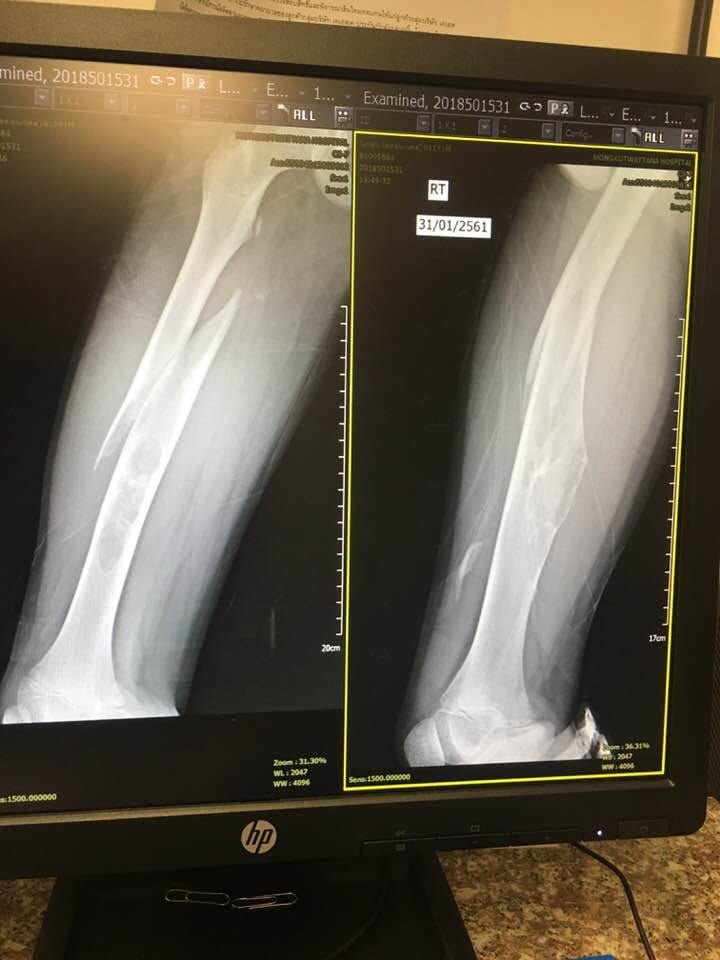
7 evidence references · showing 4 of the 5 this case carries · the locker
HISTORICAL: Early Help was involved at ten with both parents' consent. It was never s.17 Child in Need and never s.47; no significant harm was evidenced and none was asserted. Arguments at handover happened in front of him, and neither parent was managing mornings on changeover days. Early Help closed in 2018 when the handover point moved and the mornings held. CURRENT: none that relate to SEN. Brian lives independently, manages his own money, cooks for himself, and holds his own tenancy. He has no eligible need under the Care Act 2014 and no adult social care package is proposed. Both parents remain in his life because he keeps them there.
1 evidence reference · the locker
Four outcomes. Three of them carry a Preparing for Adulthood heading from the SEND Code of Practice ch. 8 — E3 higher education, E4 independent living, E2 being as healthy as possible. The fourth PfA heading, community and relationships, is NOT recorded on this plan: nothing was measured against it, and an outcome nobody measured is not evidence of one. E1 is not a PfA heading. It is the one still moving and the only thing between this plan and its cease: Brian holding his own complete record before the file is closed. The outcomes are the data; this section must agree with them.
DELIVERED, AND CLOSED. A breakfast club place and a guaranteed hot lunch ran on every changeover day for two years. Handovers moved off the school gate to a neutral point in 2017 and stayed there. A parenting-through-separation course was taken by each parent separately, 6 sessions each. When his mother and father divorced, Brian was very hurt. He had a therapist to help him through it. Independent-living preparation ran through his teens: budgeting, cooking, travel, and managing his own appointments. He does all four without support now. Nothing further is proposed.
Chiang Mai University — BA Economics, year 3, entered from Payap University. This is HIGHER EDUCATION AND NOT A SCHOOL, and the distinction is legal, not descriptive: a plan cannot name a university under s.33 CFA 2014, because a university is not an institution the council can require to admit a young person. So Section I records where he is, and names nothing. His route here was his own: self-directed study, then the GED in place of the regular Thai exams, then Payap, then CMU. No placement is named beyond the cease date, because none can be and none is needed.
1 evidence reference · the locker
The young person — this is his plan
Works with Brian's voice
Messages to Brian aren't delivered yet — Brian's voice answers for now.
Brian's transition adviser, and his keyworker since he was ten
Works with Sam's assistant · reports to Keyworker
Messages to Sam aren't delivered yet — Sam's assistant answers for now.
Brookmere SEN caseworker
Works with Dana's assistant · reports to Local authority
Messages to Dana aren't delivered yet — Dana's assistant answers for now.